
Spelling vs Phonics: The Difference and Why Kids Need Both
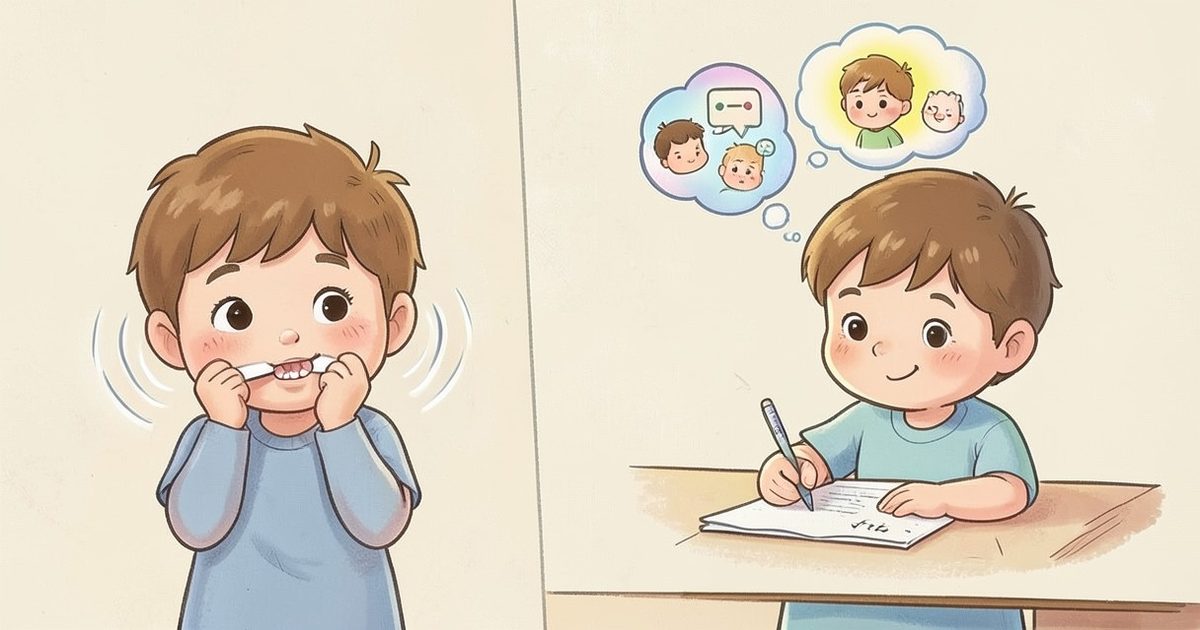
Phonics is the skill of turning letters into sounds so a child can read an unfamiliar word out loud. Spelling is the reverse: turning a word they already know how to say into the correct sequence of letters, from memory, without sounding it out each time. A child can be strong at phonics and still misspell common words, because spelling relies more on visual memory and pattern recognition than on sound alone. Kids need both because reading and writing are different directions of the same skill, and neither one automatically produces the other.
Phonics: going from letters to sound
Phonics is what a child uses when they meet a brand-new word on a page. They break it into chunks, match each chunk to a sound, and blend the sounds into something they can say. It's the engine behind early reading, and most Primary 1 to 3 classrooms in Singapore lean heavily on it for that reason.
But phonics has a blind spot: English is full of words that don't follow their own rules. "Said" isn't pronounced the way it's spelled, and neither is "of" or "island." A child who is excellent at sounding out words can still write "becuase" or "wich" because phonics alone doesn't tell you which of several plausible spellings is the real one.
Spelling: going from sound to letters, from memory
Spelling asks for the opposite direction of travel. The child already knows the word and how to say it; the task is producing its exact letter sequence without a page to check against. That's a memory task more than a decoding task, which is why phonics-strong readers can still be shaky spellers.
Good spellers tend to rely on a mix of sound patterns, visual memory (what the word "looks like"), and small stories or associations that make an odd spelling stick. This is also why flashcard drilling alone often fails: repeating a word doesn't automatically build a strong enough memory trace for it, especially for irregular words.
Why one without the other leaves gaps
A child who only gets phonics instruction can usually read reasonably well but keeps making the same spelling mistakes on tricky, irregular words, because sounding-out doesn't resolve ambiguity. A child who only memorises spelling lists by rote can sometimes spell words correctly on a test yet struggle to read new words fluently, because they never built strong letter-sound skills.
The research-backed idea worth knowing here is dual coding: kids remember and retrieve information better when it's tied to both a verbal explanation and a distinct mental image, rather than repetition alone. That's part of why turning each letter of a tricky word into a character in a short, silly one-scene story (the mnemonic approach we use in Parent Spelling Helper) tends to help spelling stick where flashcards don't. It gives the child a picture and a story to retrieve, not just a sound to sound out.
What this means for practice at home
Keep phonics practice focused on reading aloud and new, unfamiliar words. Keep spelling practice focused on words your child already recognises but keeps getting wrong on paper, especially irregular ones. Short, spaced retrieval practice (asking your child to recall the spelling a few times over several days, not just once) beats one long cramming session before a test.
If a specific word keeps tripping your child up, a quick mnemonic story for just that word is often faster and stickier than another round of copying it out ten times.
Frequently asked questions
Should I focus on phonics or spelling first?
Phonics generally comes first, since a child needs to decode words before spelling instruction makes much sense. But by Primary 2 to 3, most children benefit from running both side by side, since spelling weaknesses on irregular words don't resolve just from more phonics practice.
My child reads well but spells badly. Is that normal?
Yes, and it's common. Reading well shows strong phonics and word recognition; spelling draws more on memory for exact letter order, which is a separate skill that needs its own targeted practice, especially for irregular words.
Do mnemonic stories replace phonics practice?
No. Mnemonics are best used for specific tricky or irregular words your child already struggles to spell from memory, on top of regular phonics and reading practice, not as a substitute for either.
Try it on tonight's spelling list
Type any word and get a one-scene story your child can picture. Free, no signup.
Make a spelling story →