
Make Spelling Homework Fun, Not a Fight: Tips for SG Parents
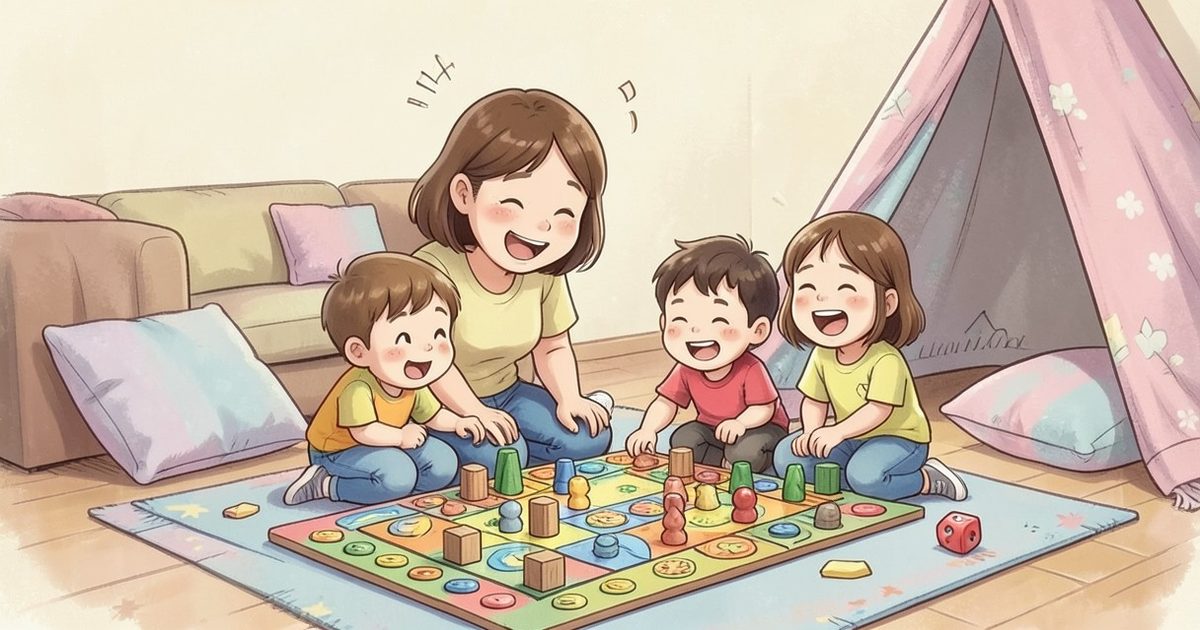
Spelling homework stops being a fight when you shorten each session, add a sensory or story hook to each word, and let your child mark their own progress. Ten focused minutes with a memorable image beats thirty minutes of flat repetition, and kids resist less when they feel some control over how they practise. The goal isn't to make spelling 'fun' in a gimmicky way, but to make it feel doable and slightly interesting instead of dreary.
Why the nightly drill turns into a battle
Most spelling fights aren't really about spelling. They're about a tired child being asked to do repetitive, low-meaning work at the end of a long school day. Copying a word ten times in a row asks for compliance, not attention, so it's no surprise kids drag their feet.
Once you see it as an attention problem rather than a discipline problem, the fix changes. Instead of enforcing longer drills, the aim is to make each rep carry more meaning in less time, so the child's brain actually engages instead of going through the motions.
Shrink the session, raise the engagement
Cap active practice at 10-15 minutes. Most Primary school spelling lists have 8-12 words, and a child's real attention for rote tasks is short. When the timer becomes the boundary rather than 'until it's perfect', kids stop negotiating and stalling, because they know the end is close.
Inside that window, swap flat repetition for something with a hook. This is where a quick mnemonic story helps: turning each letter of a tricky word into a character in one silly scene gives the brain a picture and a narrative to hang onto, not just a string of letters. Parent Spelling Helper generates one of these one-scene stories per word, which parents can read aloud in under a minute as the 'fun part' before the child writes it down.
Combining a vivid image (dual coding) with the child later trying to recall the word from memory (retrieval practice) is a well-supported way to build the kind of durable spelling recall that copying alone doesn't produce.
Give them a little ownership
Kids push back less on tasks they helped shape. Let your child pick the order of words, choose whether to write or say the spelling first, or invent their own silly detail to add to a mnemonic story. Even small choices like this reduce the sense that homework is something done to them.
A simple visible tracker also helps, like a checklist or star chart for words mastered this week. Watching a list shrink gives a sense of progress that a blank worksheet never does, and it turns 'more homework' into 'three words left.'
Handle the meltdown moment calmly
When frustration does spike, mid-word tears or a thrown pencil, pause rather than push through. Five minutes away from the table usually resets more than five more minutes of insisting. Spelling practice done in a stressed state rarely sticks anyway, so there's little lost by stopping and returning later, even the next day.
Keep your own tone light and curious rather than corrective. Asking 'what's happening in the story for this word?' invites the child back into the task, while 'you got it wrong again' invites more resistance.
Frequently asked questions
How long should P1-P6 spelling practice actually take each night?
Aim for 10-15 minutes of focused practice rather than a long open-ended session. Short, consistent sessions with real attention beat longer sessions where a tired child is just going through the motions.
Do mnemonic stories actually help kids remember spelling, or is it just a gimmick?
They're grounded in two well-studied learning principles: dual coding (pairing a word with a vivid image) and retrieval practice (trying to recall it from memory afterwards). A one-scene story where each letter becomes a character gives a child something memorable to hang the spelling on, rather than an abstract string of letters.
My child refuses to practise at all. What's a low-conflict way to start?
Start smaller than feels sufficient, even 3-4 words, and let your child choose one small aspect of how it happens. A short win rebuilds willingness faster than insisting on the full list every night.
Try it on tonight's spelling list
Type any word and get a one-scene story your child can picture. Free, no signup.
Make a spelling story →